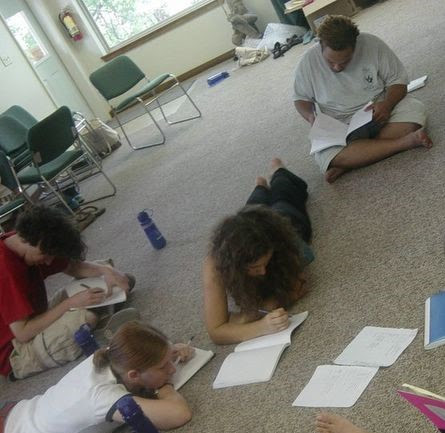
Workshop Students Journaling 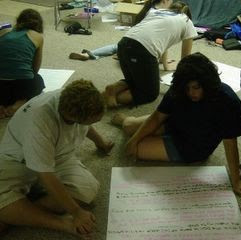
Workshop Students doing shared Writing Exercise
Workshops for Social Change
Many of the workshops we offer are based on the writings and teachings of the late Augusto Boal, who developed the Theatre of the Oppressed in Brazil over 40 years ago. We also draw upon other theatre games and movement traditions, as well as models of popular education like those put forth by Paolo Freire in his book, Pedagogy of the Oppressed. Theatre of the Oppressed is about acting rather than talking, questioning rather than giving answers, analyzing rather than accepting.
Rehearsal for Teaching History of Oppression 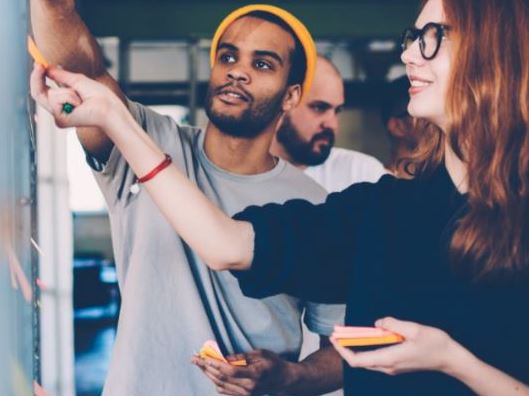

In this active workshop teachers/leaders learn how to foster respectful dialogue and guide dynamic activities which honor the goal of exploring historical times of oppression. We will practice techniques to create a classroom/meeting environment where students/participants are encouraged to share and, most importantly, listen to each other. Learn how to recognize the emotional impact of investigating historical events and how they affect student’s opinions of current conditions. We will also learn and rehearse how to guide interactions that may become heated, answering questions of “What if this happens?”
The Living Newspaper-Visualize Change 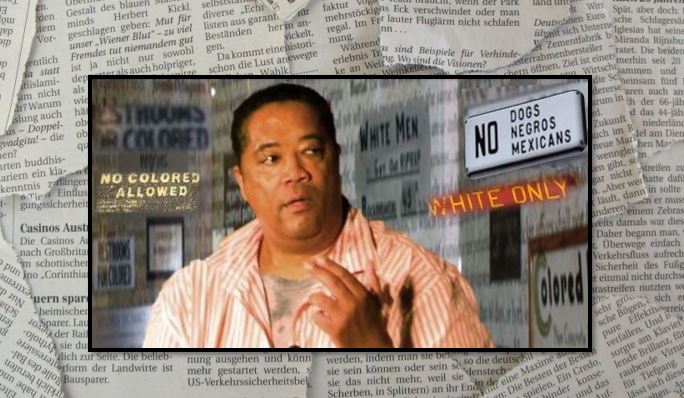
In this participatory workshop we examine social & political issues to incite and excite social reform through the power of visual presentation. Based on the Federal Theatre Project’s “Living Newspapers”, we explore the process of creating dynamic works to inspire audiences towards questioning the status quo.
Change the Scene 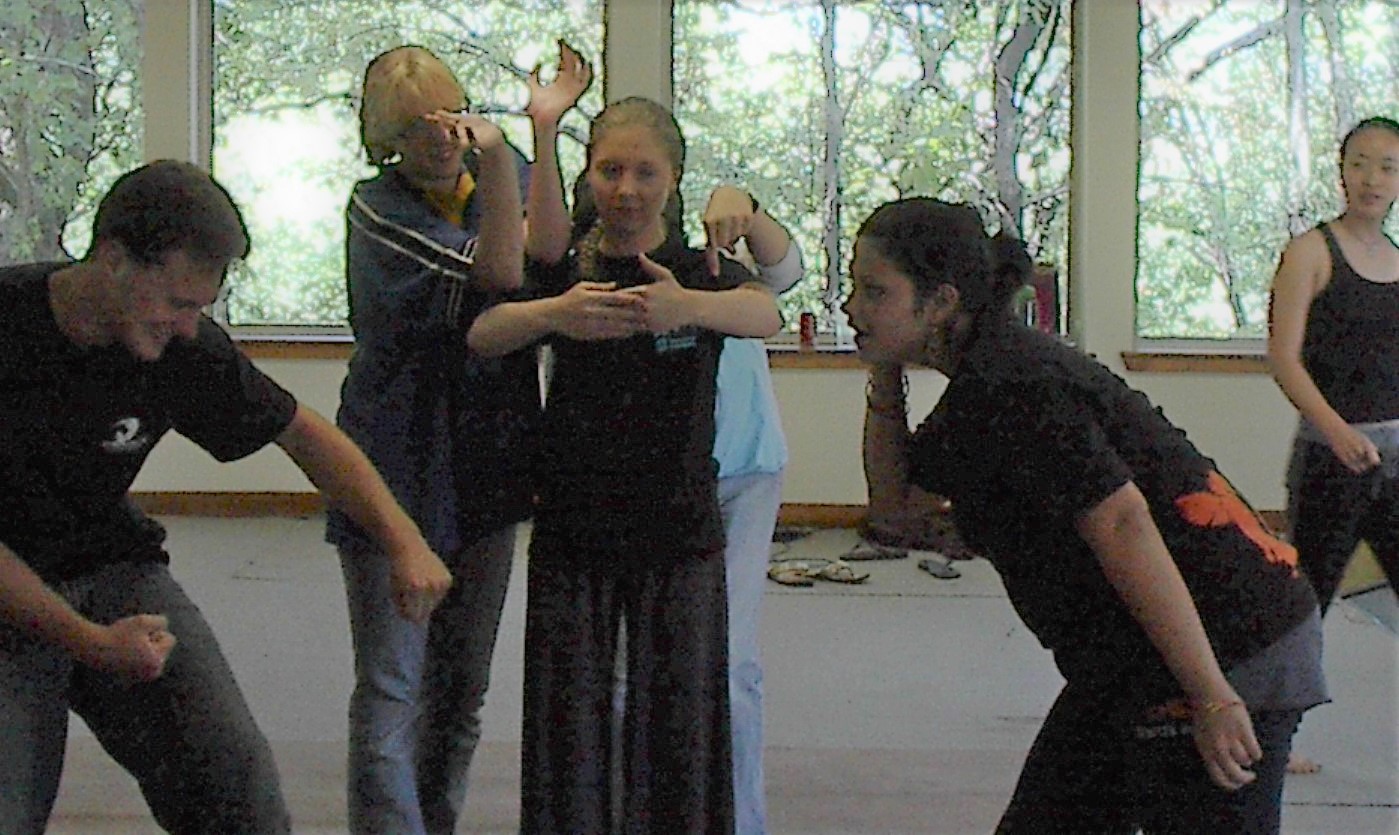
Participants actively engage in exploring a personal “moment in time” by exploring the elements which preceded and resulted from either their own actions or lack of action. Using these discoveries, they explore the possibilities of personal choices through improvised scene creation.
Storytelling to Playwriting 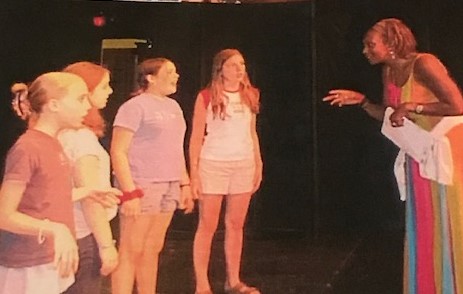
Playwriting is the art of storytelling. In this multi-step workshop, participants will nurture personal and/or fictional stories from their first written words through storytelling and character development to sharing/performing. The content of the writing workshop is the content of real life- for the workshop begins with what each student participant thinks, feels and experiences. Students write about what is alive, vital and real for themselves. The structure of the workshop is kept simple so that the teacher/Instructor and students participants are free from choreography and able to respond to the human surprises and small discoveries.
Leadership Games 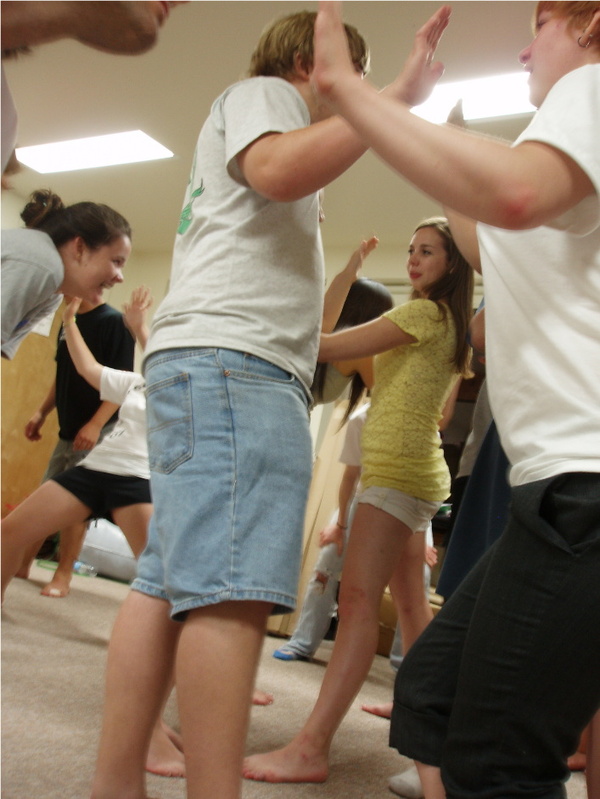
Utilizing the games devised by Augusto Boal and Theatre of the Oppressed, we explore the nature of power structures in our work and personal environments. Through playing the games, a dialogue emerges where the challenges of the use of power can be examined.
Applied Improvisation Workshops 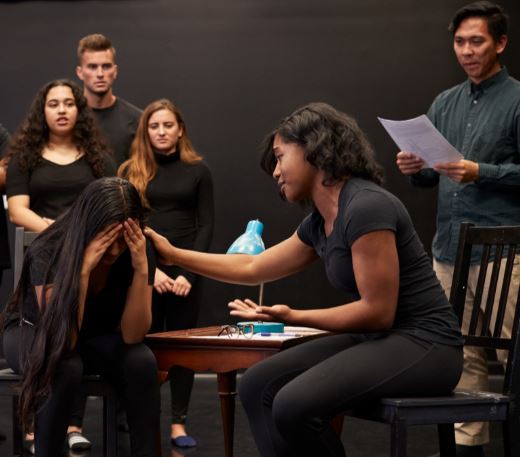
Using improvisation tools, experience, and theory for human development and training in communities and organizations. These applications include facilitating creativity and innovation, effective strategy, better relationships in teams, conflict resolution, leadership, coaching and storytelling.
Move to Change 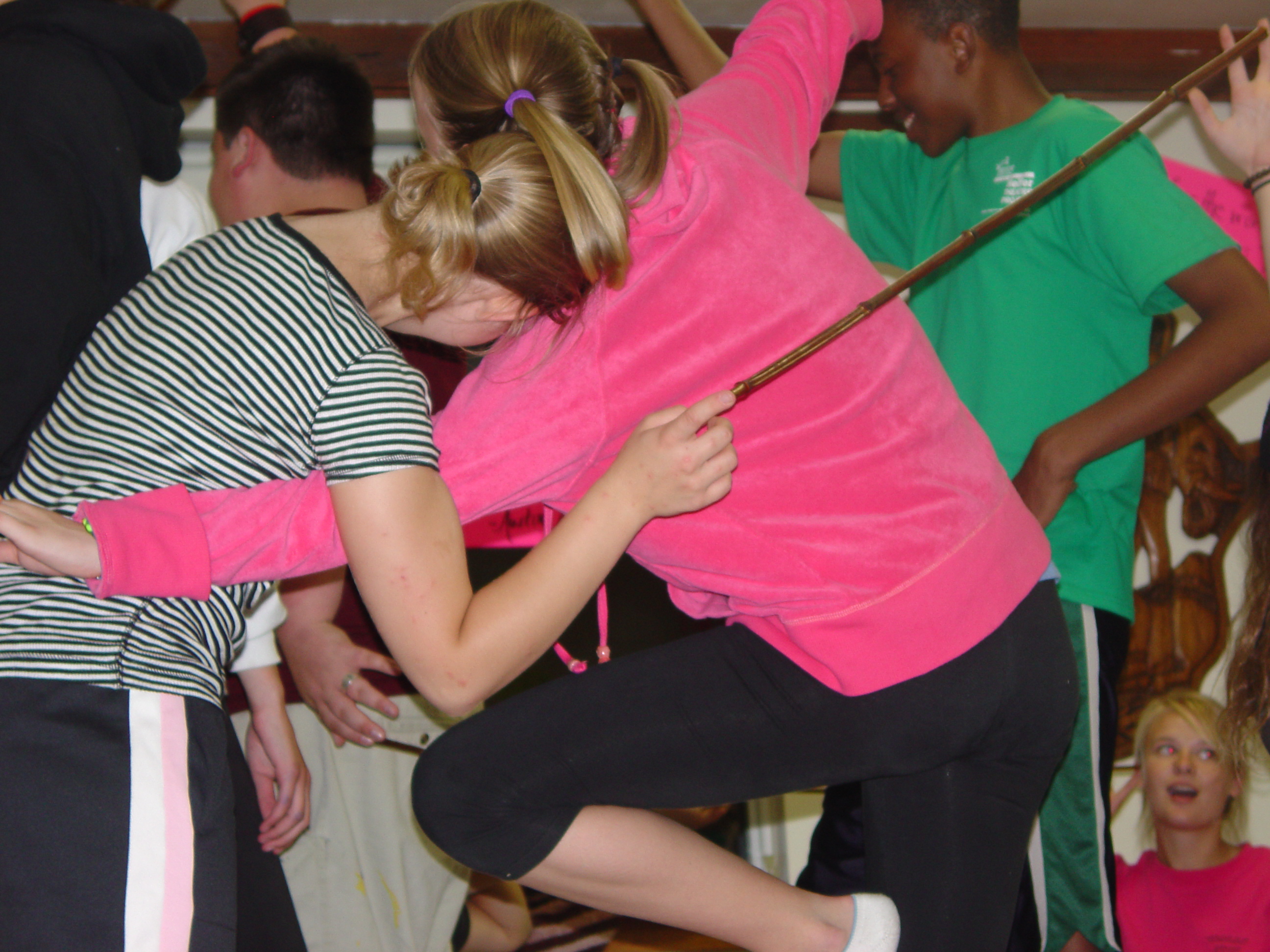
Utilizing the templates of Viewpoints (Anne Bogart, Tina Landau) and the investigative techniques in Image Theatre (Augusto Boal), participants explore deeper meanings of gesture and movement for character creation/development and staging.
Issue-Based Theatre Exploration
Participants develop communication skills, enhance self-esteem, engage in dialogue, and explore social issues – all in a nurturing, creative journey to build community through a dynamic artistic process. The workshop is tailored to the needs of each organization.
Life Drama: Intergenerational Acting – Youth & Elders 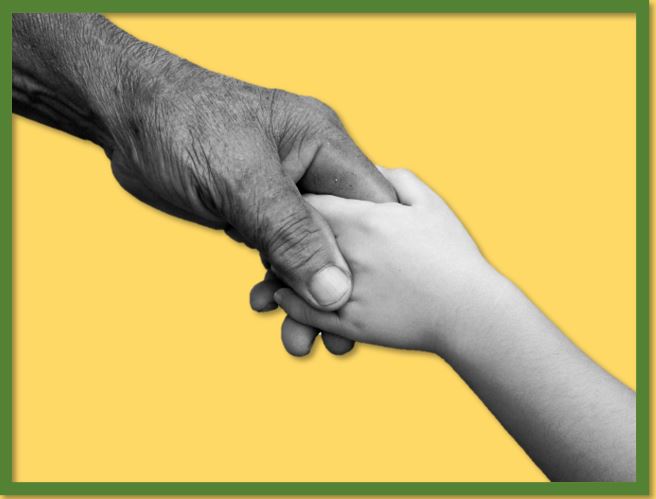
Utilizing techniques of Creative Drama & Drama in Education, participants focus on the process of creation rather than aiming for performance. It engages people of any age in life explorations using storytelling, narrative, movement, sound and song, role play, and improvisation. This workshop is interactive, meaning it promotes people talking and listening to each other, and responding. It’s a venue that takes us into other places, other times and roles, to taste other possibilities. It extols reflection and imagination. Life drama is centered in the lives of each of us as participants telling our stories. Concept creator: Roslyn Wilder
 TORCH THEATER.org